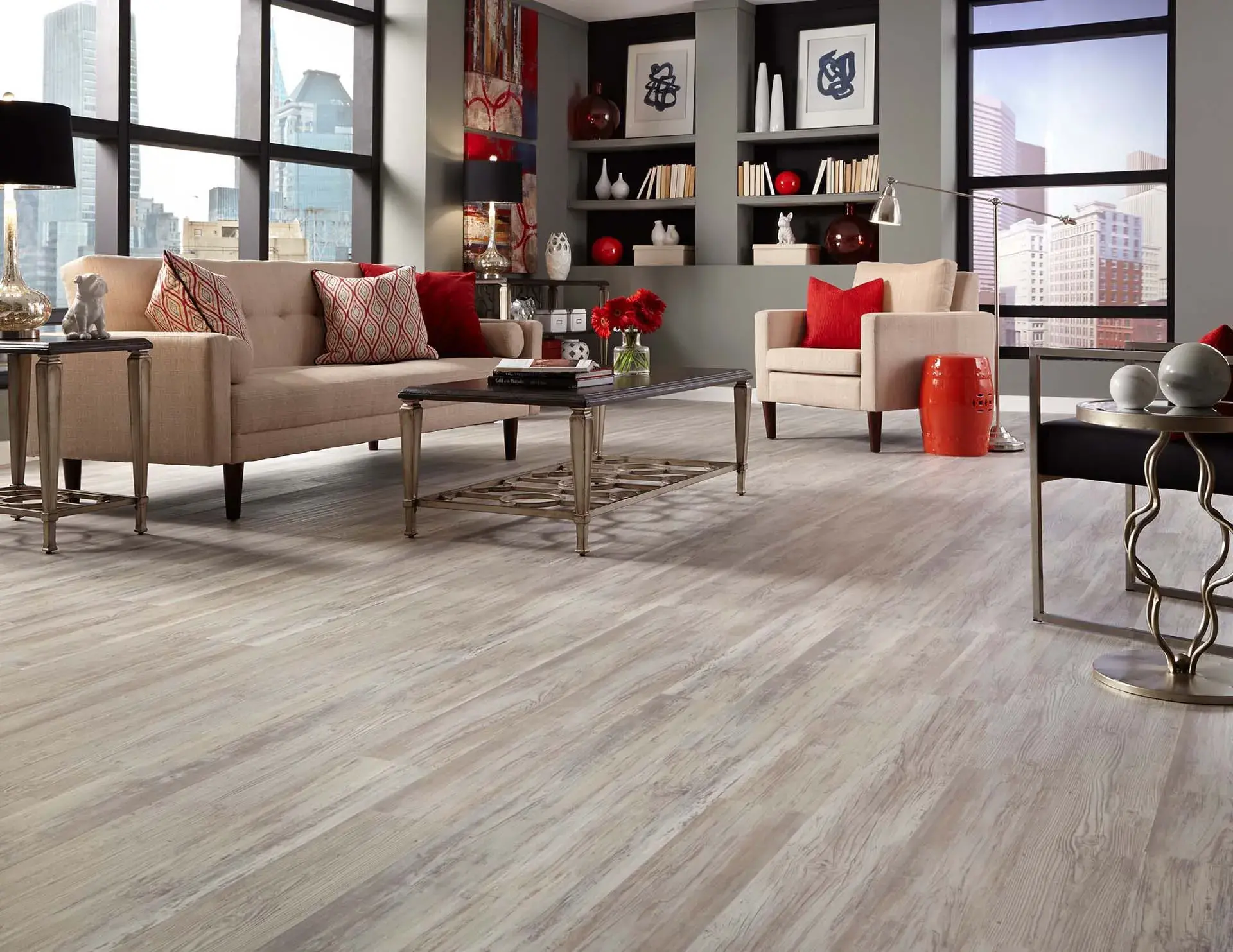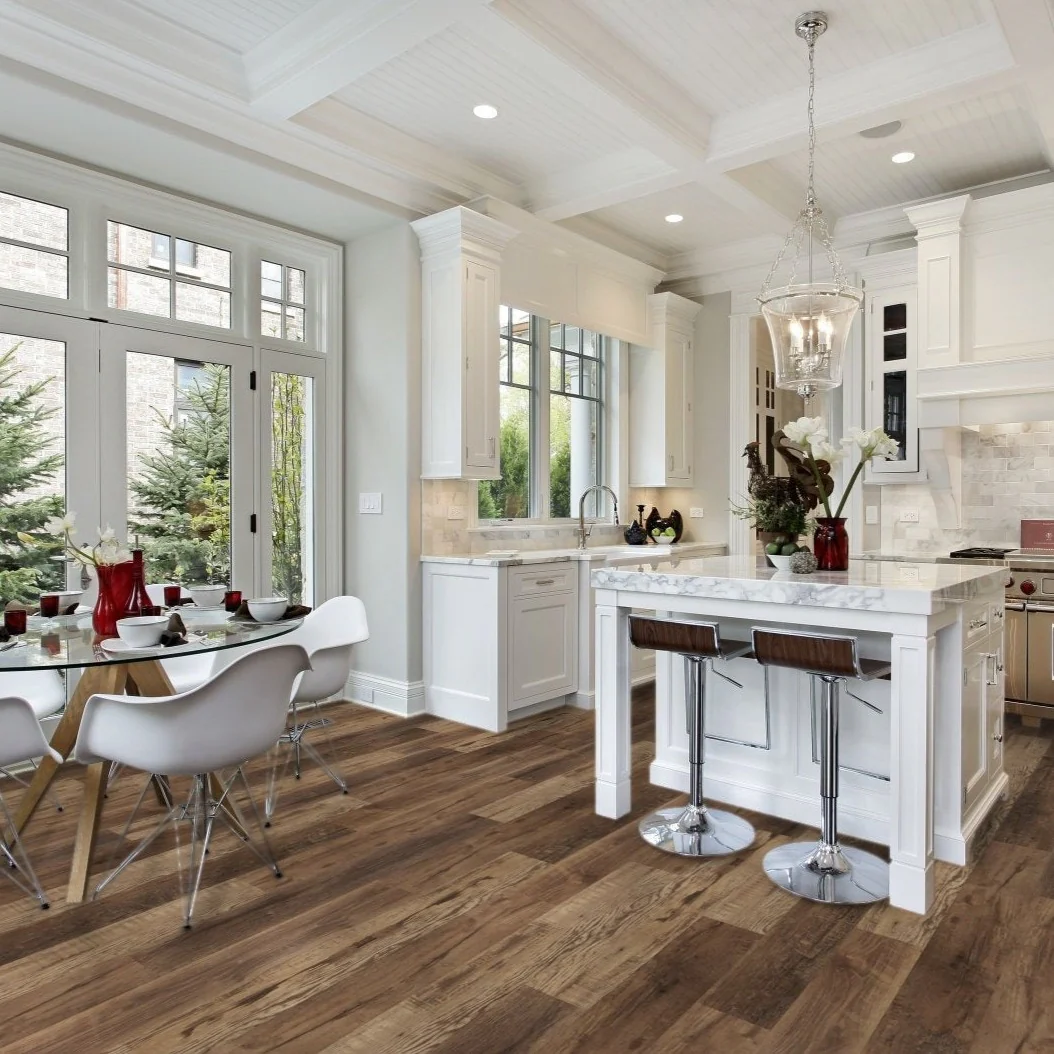

Vinyl Plank / Tile Solutions

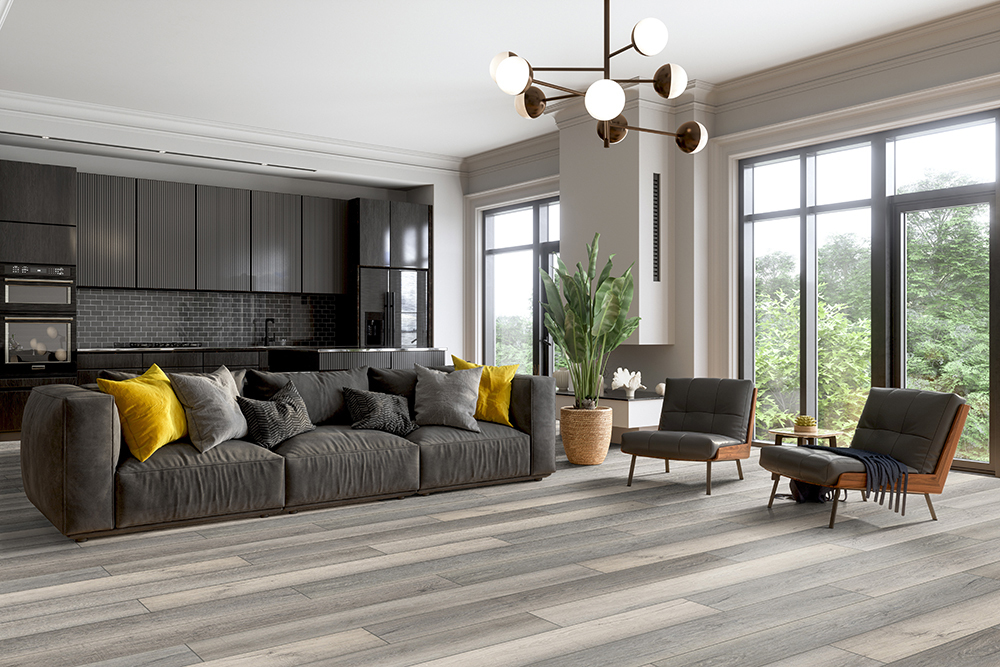
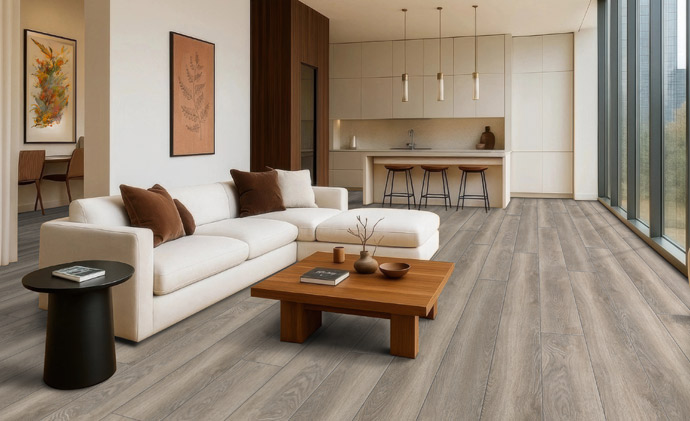
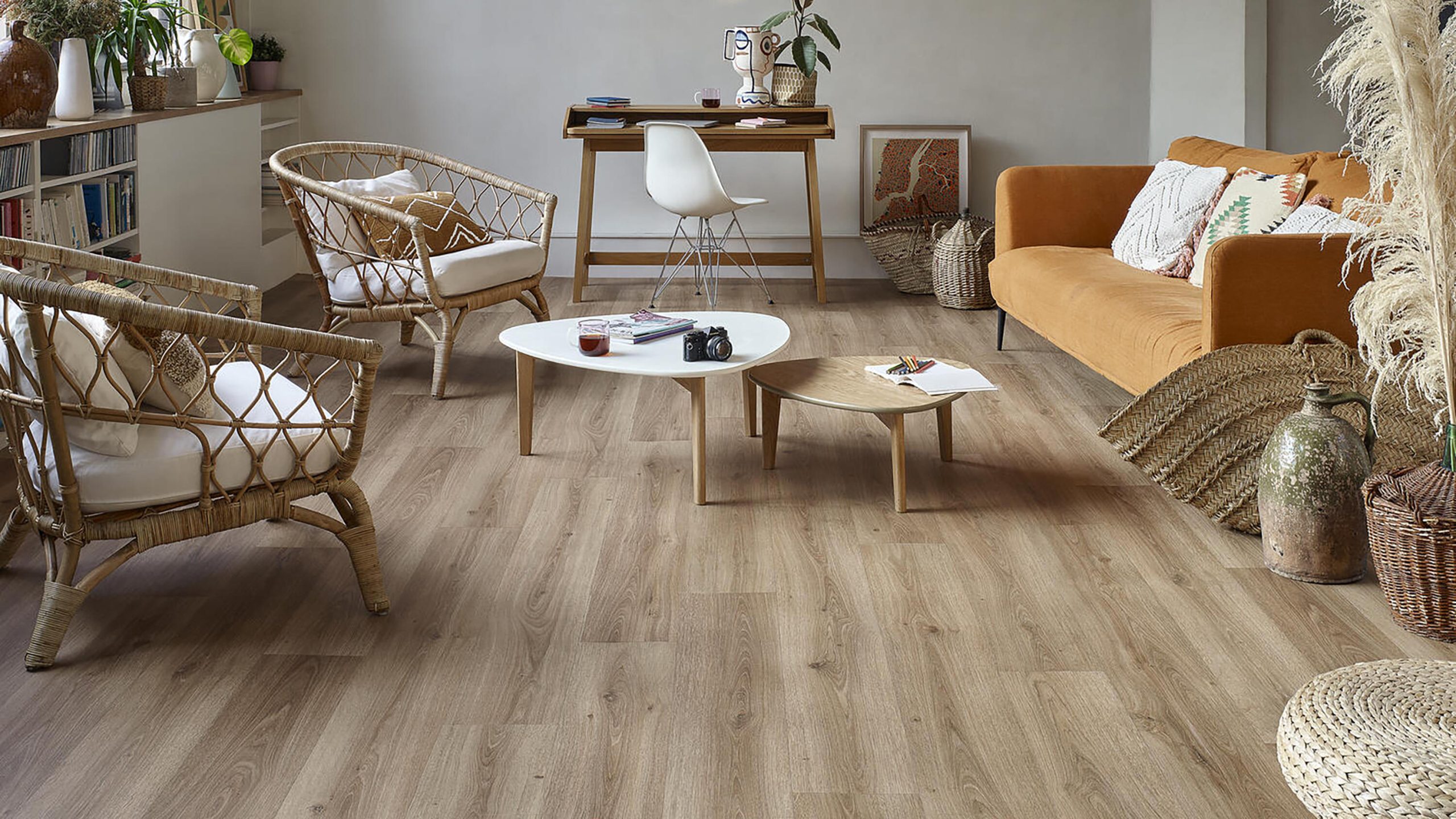
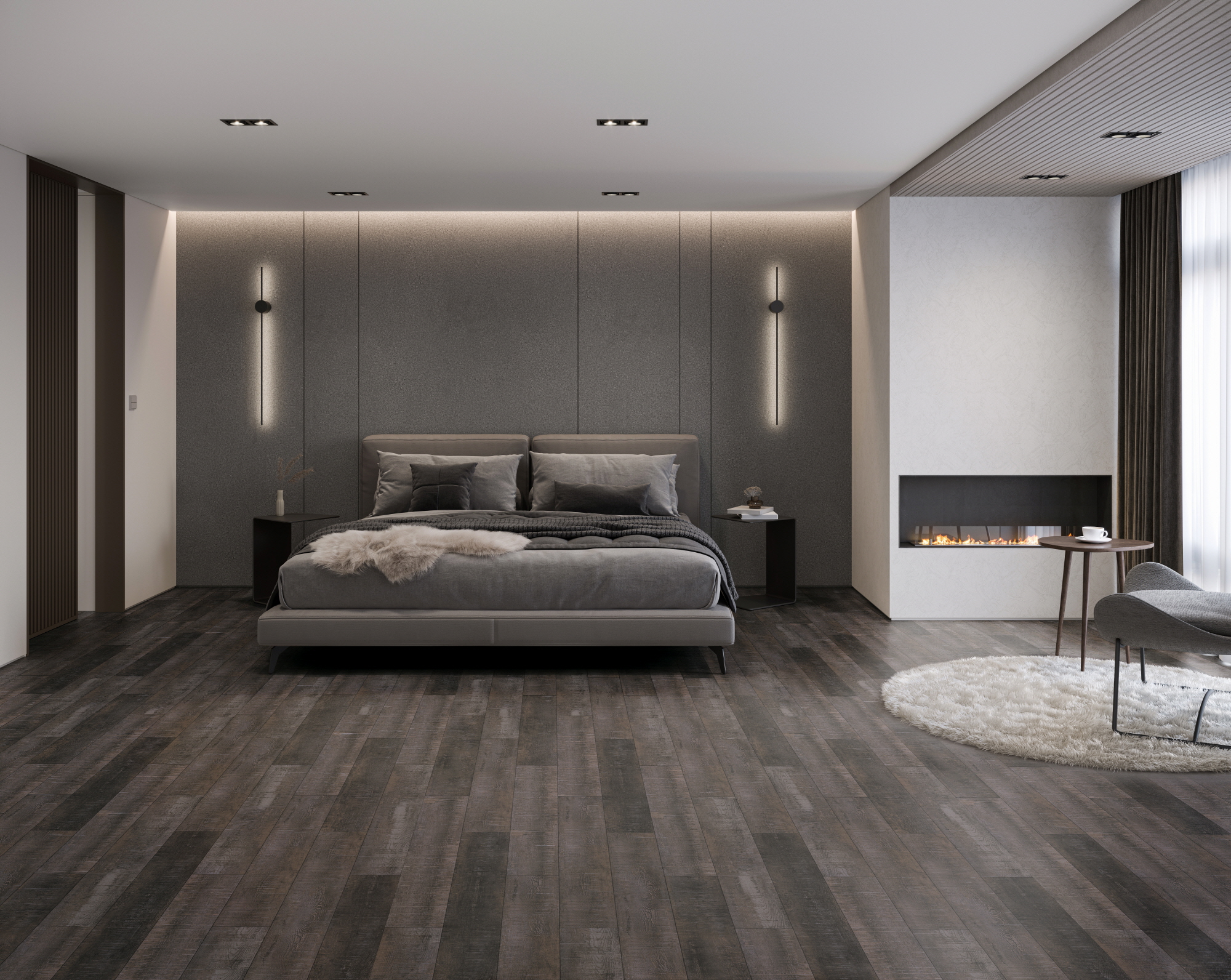
Over the years, vinyl flooring has become the people’s choice not only for its versatility but also its endless design possibilities.
The fact that you can achieve an authentic wood-look or stone tiled floor in any room of the house says a lot.
It’s also extremely durable and waterproof, making it an excellent flooring option for rooms with moisture such as the bathroom, laundry and kitchen.
Vinyl has options for planks, tiles or sheets. there are circumstances where sheet vinyl is recommended over tiled/plank. We can advise further during your individualised consultation.
  • Vinyl Plank Residential
  • Vinyl Plank Commercial
  • Rigid/Hybrid Flooring
  • Vinyl Tile
  • Vinyl Sheet

We make the entire process smooth, efficient, and built to last.
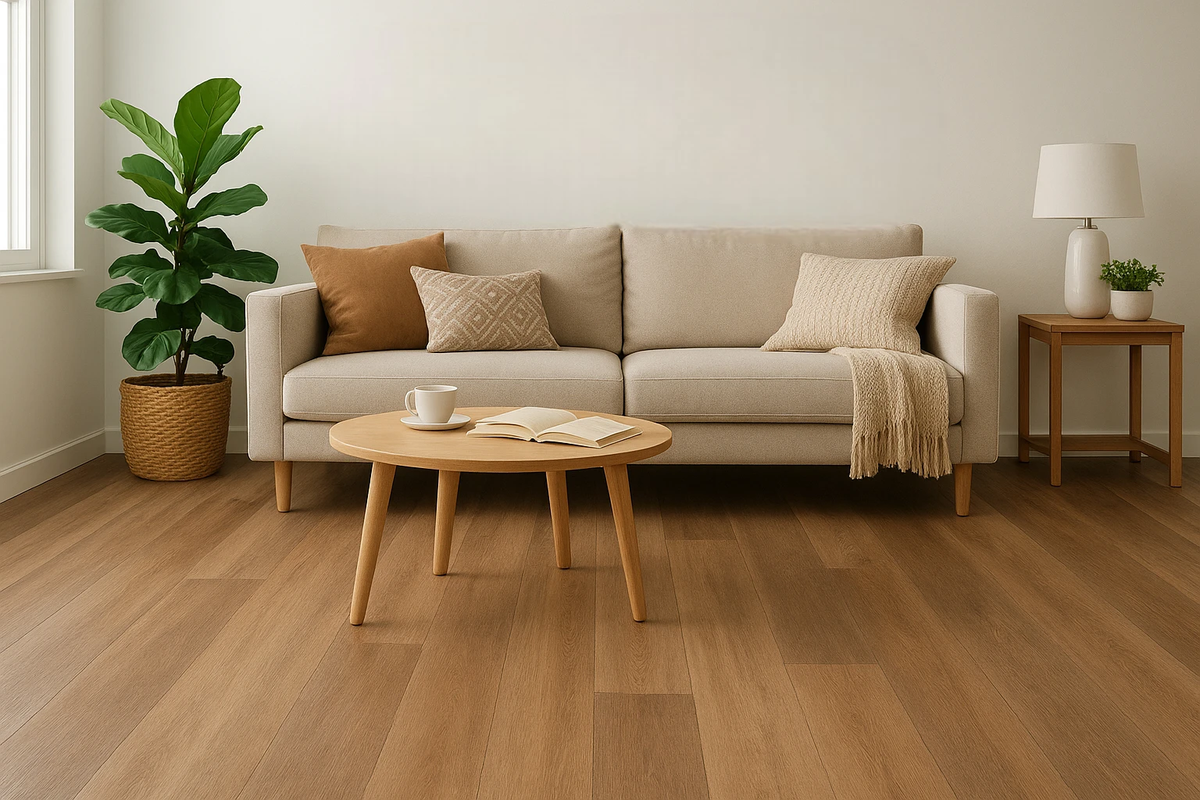
Vinyl Plank Residential

Upgrade your space with vinyl plank flooring that combines the look of real hardwood with easy maintenance and long-lasting performance. Vinyl plank is water-resistant, scratch-resistant, and perfect for busy households with kids or pets. Its comfortable feel underfoot and simple installation make it a smart choice for any room in your home or business. Available in a wide range of colours and wood-look finishes, vinyl plank delivers beauty, affordability, and reliability all in one flooring solution.
Vinyl product is a synthetic material and is created using 4 main layers: Wear Layer, Decorative Image, Vinyl Core, and Under Layer, with the core of it being made from polyvinyl chloride resins.

Key Benefits include:

  • Easy to clean with regular sweeping and mopping
  • Virtually waterproof if installed correctly
  • Warm, soft and comfortable underfoot
  • Doesn’t get cold in winter like wood, tile and concrete
  • Can withstand heavy traffic.

We make the entire process smooth, efficient, and built to last.
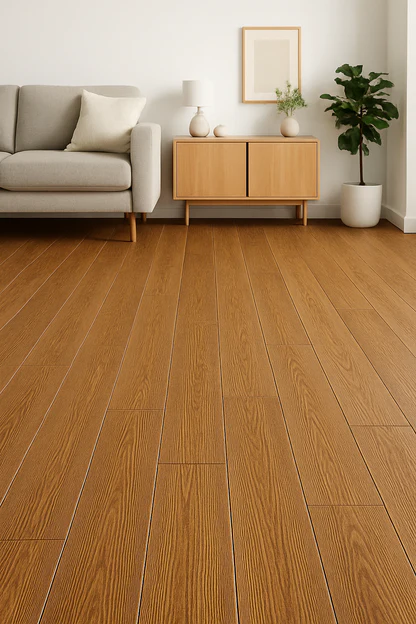
Vinyl Plank Commercial

Similar to residential plank in look, feel and benefits but designed with a thicker wear layer to handle heavy foot traffic, rolling carts, and frequent cleaning in offices, retail stores, and other business environments. Commercial-grade planks are generally more durable, scratch-resistant, and longer-lasting, while residential options often focus more on design variety and comfort underfoot. Choosing the right type depends on the amount of traffic, moisture exposure, and overall performance needs of the space.

We make the entire process smooth, efficient, and built to last.

Rigid/Hybrid Flooring

Similar to vinyl plank in look but different in construction, Rigid/Hybrid floors feature a solid core instead of the flexible vinyl materials in vinyl planks. The core typically consists of either stone plastic composite or wood plastic composite which provides greater stability, dent resistance, and durability in high-traffic areas.

Hybrid flooring is especially popular for its waterproof performance and ability to handle temperature fluctuations better than standard vinyl plank, making it suitable for both residential and commercial applications.

While vinyl plank is an excellent option for everyday residential spaces, rigid/hybrid flooring is often chosen when enhanced strength, moisture resistance, and long-term performance are top priorities.

Key Benefits over vinyl plank:

  • More solid feel underfoot than vinyl plank
  • Enhanced strength and moisture resistance
  • Long-term performance

We make the entire process smooth, efficient, and built to last.
Vinyl Tile

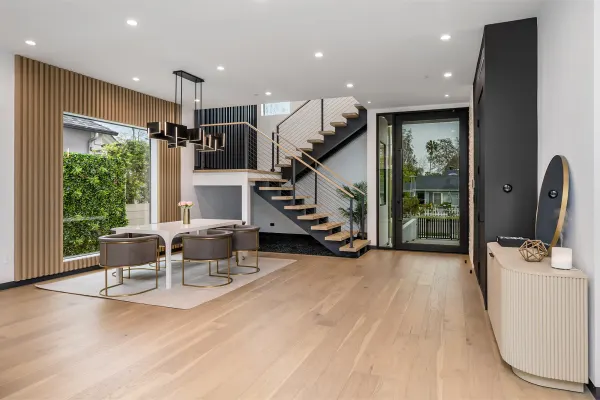
Vinyl tile flooring is a versatile and durable flooring option designed to mimic the appearance of ceramic, stone, or natural tile at a more affordable price. Available in a wide variety of colours, textures, and patterns, vinyl tile offers excellent design flexibility for both residential and commercial spaces.  Many vinyl tile products also feature scratch-resistant wear layers. Compared to traditional tile, vinyl tile provides a warmer, quieter surface while still delivering long-lasting performance and style.

Key benefits:

  • Mimics appearance of ceramic and stone
  • water-resistant,
  • easy to maintain,
  • comfortable underfoot

We make the entire process smooth, efficient, and built to last.
Vinyl Sheet

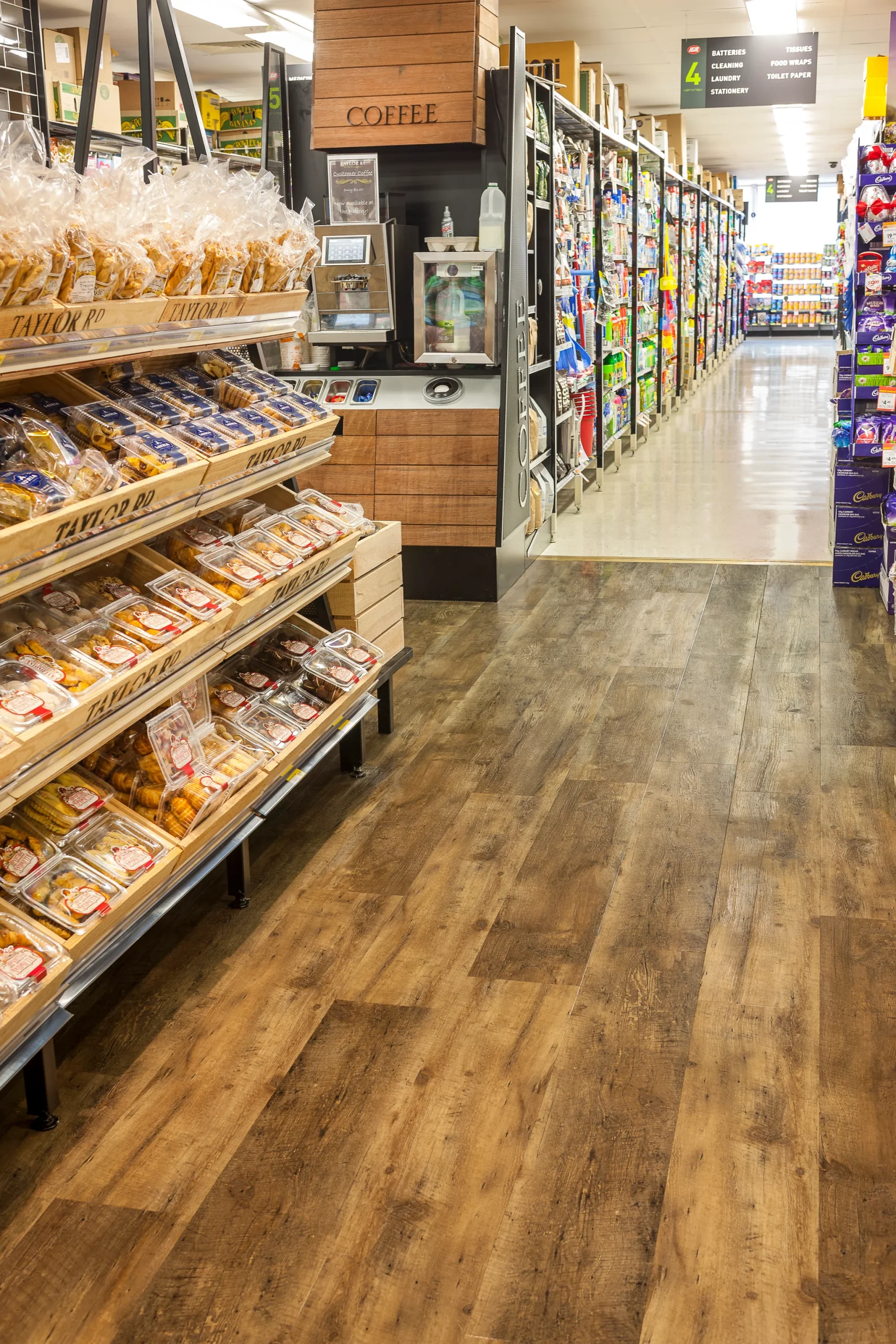
Vinyl sheet flooring is often chosen over vinyl plank in areas where maximum water resistance, lower cost, or seamless coverage is important. Because sheet vinyl comes in large continuous rolls with fewer seams, it’s a popular option for bathrooms, laundry rooms, kitchens, healthcare spaces, and commercial environments where moisture protection is critical. It can also be more budget-friendly and faster to install in large open areas compared to individual planks. Some homeowners prefer vinyl sheet for its softer feel underfoot and easier cleaning since there are fewer gaps for dirt and water to collect. In contrast, vinyl plank is usually selected when the goal is a more realistic hardwood appearance and higher-end design aesthetic.

Key benefits:

  • Softer feel underfoot
  • Fewer seams
  • Maximum water resistance of any vinyl flooring
  • Plenty of patterns and designs
  • Budget friendly

We make the entire process smooth, efficient, and built to last.
Vinyl Plank Frequently Asked Questions

From preparation to polishing, we handle every step with precision and care.

General

What is vinyl plank flooring?
Vinyl plank flooring is a type of flooring designed to mimic the look of hardwood, also called LVP, or Luxury Vinyl Plank.
Vinyl planks are constructed from durable vinyl layers that are hard wearing and easy to maintain. Planks are typically glued to subfloors or in some situations can be loose laid. Varieties are available for domestic to heavy commercial and can come in thicknesses ranging from 2mm-4.5mm.
Polished concrete has a slip rating but can be slippery when wet. We can recommend finishes based on your space.
Hybrid flooring combines the benefits of a vinyl plank that imitates real wood but is hard wearing and durable with the added strength of a rigid core. The added hardness comes from the construction materials that include limestone composite or polymer, creating a more ridged, less flexible plank.
All hybrid flooring is a free-floating system (not glued), that is typically a click lock installation system and requires an edging to allow for expansion gaps. You can buy an underlay but many come with an underlay built into the backing. This helps sound deadening.
Hybrid flooring can be installed over a variety of surfaces such as ceramic tiles, timber floors, concrete and existing vinyl.
Varieties are available for domestic to heavy commercial and can come in thicknesses ranging from 4mm to 8mm.
There are a number of benefits of hybrid flooring over vinyl planks. 4 key areas are:
  1. Durability: Hybrid flooring’s rigid core provides increased stability against heat
    expansion and humidity swings, reducing potential for warping or cupping compared
    to vinyl plank.
  2. Impact Resistance: Hybrid flooring’s rigid structure offers better resistance to
    dents, claws, and dropped objects, making it ideal for busy households and
    commercial settings.
  3. Acoustic Performance: Hybrid flooring typically includes an acoustic underlay,
    which helps meet strata requirements and provides a quieter environment.
  4. Longer Lifespan: Hybrid flooring has been reported to last up to 10 years longer
    compared to vinyl plank.
Manufacturers assert the planks are waterproof. However, there is potential for moisture to seep between the cracks, and if this does occur mould can develop beneath the plank. Excess moisture can also cause increased decay of the glue bond. For this reason it is not recommended to install vinyl plank in wet areas such as the bathroom and laundry areas.
An additional consideration is the substrate, which must also meet Australian standards for moisture content, as too much moisture rising from below can create the same moisture issues.
The team at Northern Floors do install luxury vinyl planks, from our 2mm range through to our 4.5mm ranges  Some luxury brands we work with are Karndean, House and Haven and Forbo cushion plank.

INSTALLATION

When to glue down vinyl plank flooring?
In extreme temperature variations it is recommended to do a full-stick adhesive.  In the Atherton Tablelands of Far North Queensland, it is possible to have temperatures drop as low as 0 degrees celsius in winter but still achieve very high temperatures during the day.
Many recommend also installing planks in winter while planks are in a shrunken position. However, running the air conditioning at 25 degrees for up to 72 hours before installation is just as effective.
The best vinyl plank glue to use will always be the manufacturer’s recommended adhesive. This is because manufacturers conduct extensive in-house testing to ensure the chemical qualities of the glue and the planks bond well together. There are some instances when a different glue structure should be used. A sunroom for example, which receives a lot of hot sun may warrant an epoxy based glue.
In Australia, vinyl planks are typically between 2mm – 4.5mm. Hybrid planks are 6- 8mm thick.  The answer to which thickness is best depends on a few considerations such as the subfloor, who is walking on it once laid, price and quality.  A 2mm plank may be better for the budget and are still rated for light commercial which means it more than durable enough for your home.  A thicker plank is considered more durable than a 2mm plank, longer lasting thicker planks do also provide slightly improve sound insulation and softness underfoot.
Yes, you can install vinyl plank flooring on concrete as long as you follow the manufacturer’s recommended guidelines as there are considerations which must be factored into every install.
The same applies for other existing floors. There are variations in method installation for the different subfloors which the manufacturers recommended guidelines can detail for you.
You can install vinyl plank yourself but we have observed that there is a level of skill involved and many people make common mistakes when installing vinyl plank flooring. Therefore we recommend you give careful consideration before attempting to install vinyl planks yourself. The Northern floors team has 40 years combined experience and can guarantee a quality finish every time.
Yes, vinyl plank can be installed on walls. You must ensure the substrate is adequate and in accordance with manufacturer's guidelines. Often a more high-powered grabbing adhesive is recommended for walls.
Vinyl plank shouldn’t be installed in bathrooms, laundries or any high wet areas.  Neither should it be installed when the substrate isn’t suitable.
Yes you can use a standard Stanley knife to cut vinyl flooring, however specific flooring blades such as a concave blade will achieve a better finish.  Cutting is more for scoring as the plank can be snapped off at the score line.
Suitable underlays for vinyl flooring include all concrete, timber floors, ply, strip timber or chipboard flooring. We recommend using masonite underlay, undulations must be minimal before a Masonite underlay can be used.  Manufacturers will specify the standards.
Yes, moisture in subfloors can affect your vinyl plank or hybrid plank floors. Moisture in all existing floors needs to be under a certain moisture content to avoid premature failure of the vinyl plank.

CARE

How to care for vinyl plank flooring?
Caring for vinyl plank flooring is as simple as basic maintenance with sweeping and mopping. Mopping can be with just warm water or with a ph neutral floor cleaner.  Avoid using household cleaners and bleach-based detergents, which can make the floor slippery and/or cause discoloration.  Also avoid harsh abrasives which can dull the appearance of the floor.
Most manufacturers put recommended maintenance instructions on their websites. If you know your flooring manufacturer name, a simple google search can advise you on their best practice for maintaining your flooring.
It is not recommended to steam mop your vinyl plank as regular heat and moisture can warp the material over time. It can also force moisture down between the planks and weaken the adhesive. While this is a strong recommendation for commercial cleaners, there is some discussion with residential steam cleaner instructions that suggests light residential steam mops may be acceptable. However, following manufacturer’s recommendations will always guarantee that you don’t shorten the life span of your vinyl plank floors.
Remove scuff marks from your vinyl flooring by gentle rubbing with a scourer, but be cautious not to apply to much pressure to damage the flooring. Maybe even consider a non-scratch scourer. Check your manufactures cleaning guides.
Vinyl planks have excellent stain resistance ratings (some manufacturers rate higher than others). However, should a mark require attention, follow the same process for general cleaning and scuff mark removal. These being to use a gentle abrasive, avoiding harsh scourers such as steel wool or strong acid and alkaline cleaners. Check your manufactures cleaning guides.

Still have questions? Call us on 0457 873 103 or request a free quote today.

Follow Us on Social Media


Free Measure and Quote